 shqiptarët
Prishtina
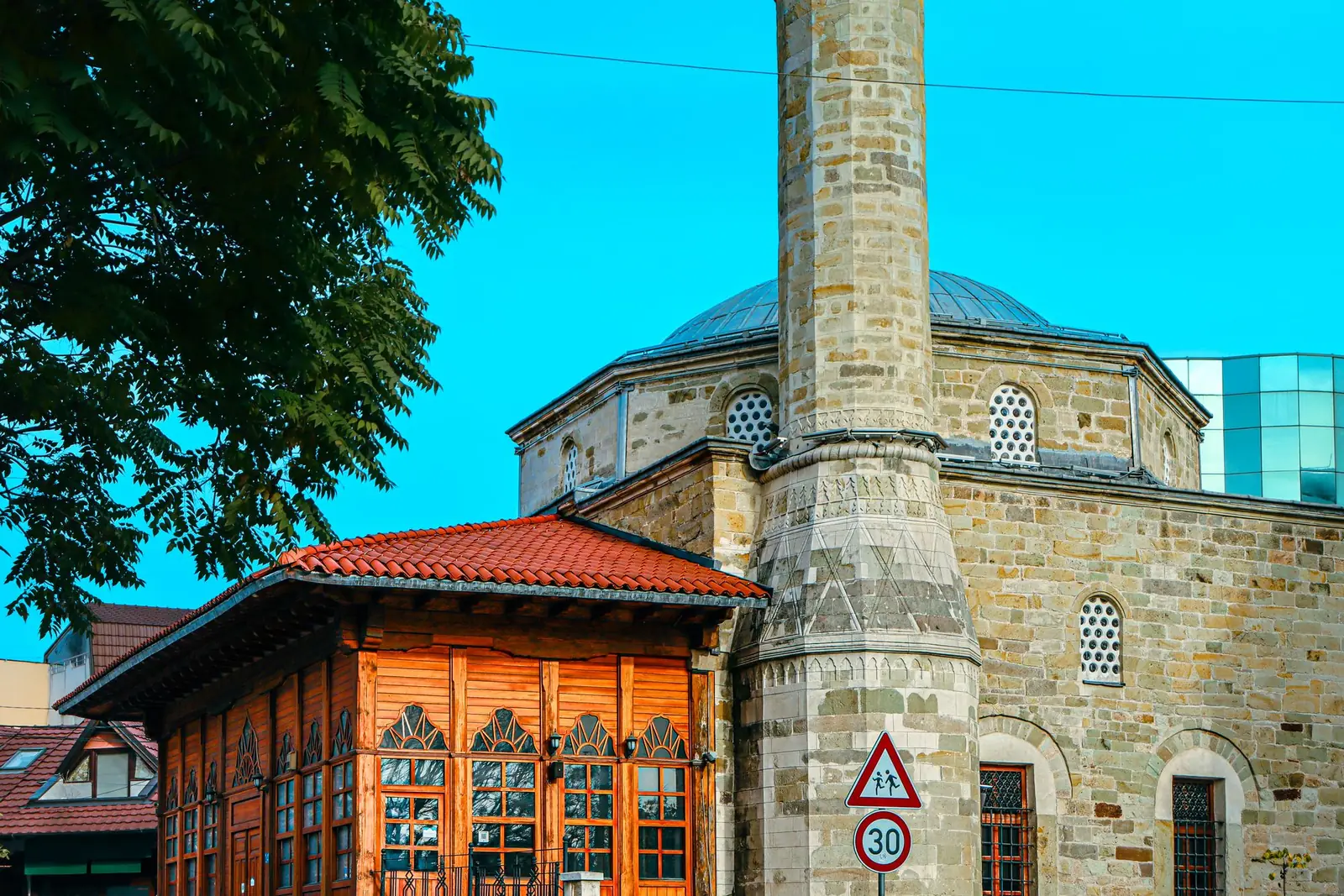
The old centre with the Clock Tower, the King's Mosque and the Ethnological Museum.


Prishtina is the capital of Kosovo and its most populous municipality. The 2024 census counted 227,466 usual residents in the municipality and 1,585,566 in all of Kosovo.
History in brief
- The area has traces of settlement from the Neolithic. The ancient city of Ulpiana, founded in the 2nd century, lies nearby; it was abandoned after an earthquake in 518.
- The first document to name Prishtina dates from 1342. The town came under Ottoman rule with the Battle of Kosovo in 1389. Being near the Novobërdë and Stantërg mines made it a centre of trade and crafts. The traveller Evliya Çelebi visited in 1660.
- In the 18th and 19th centuries the town held an international goods fair. The Clock Tower was built in the 19th century, the first railway station in 1874, and from 1883 to 1897 Prishtina was the capital of the Vilayet of Kosovo.
- After 1912 the town changed rulers several times. It was declared the capital of Kosovo in 1947. From the 1950s to the 1970s parts of the old quarters were demolished, including the bazaar. The University of Prishtina was founded by law in 1969 and held its founding assembly in 1970.
- In the 1990s a "parallel system" was set up, with schools and health services moved into private homes. After the 1998–1999 war, Prishtina remained the capital under the UN mission (UNMIK) until independence was declared in 2008.
Landmarks
- The 19th-century Clock Tower has a hexagonal base and rises 26 metres, in the old town.
- The Çarshi Mosque is the oldest building still standing in Prishtina; its foundation stone was laid soon after the Battle of Kosovo in 1389.
- The King's Mosque (Sultan Mehmet Fatih II Mosque), built in 1461 according to the inscription over its door, stands in the old town core near the Great Hamam and the Clock Tower. It is known for its large dome.
- The Great Hamam dates from the 15th century. It was a double bathhouse, for women and men at the same time, and part of the King's Mosque complex. It has not worked as a bathhouse since 1960.
- The early 19th-century Emin Gjiku complex opened as a museum in September 2006, with the Museum of Kosovo's ethnological exhibition, and belongs to the Museum of Kosovo.
- The Museum of Kosovo is in an 1880s building designed at the Military Office in Graz for the Ottoman garrison staff. It has been a museum since 1980.
- The National Library of Kosovo building was finished in September 1981 and has 73 dome-shaped skylights.
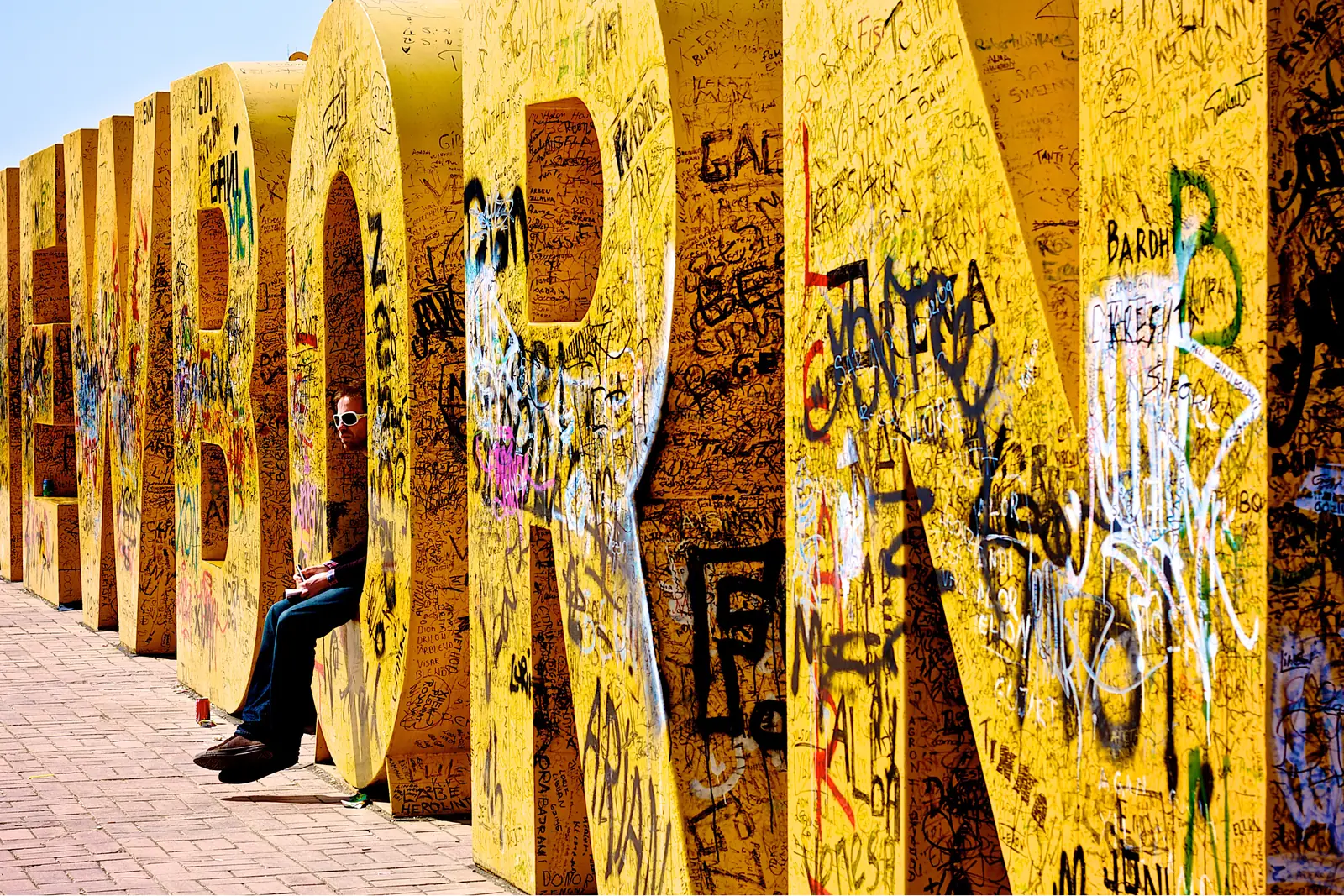
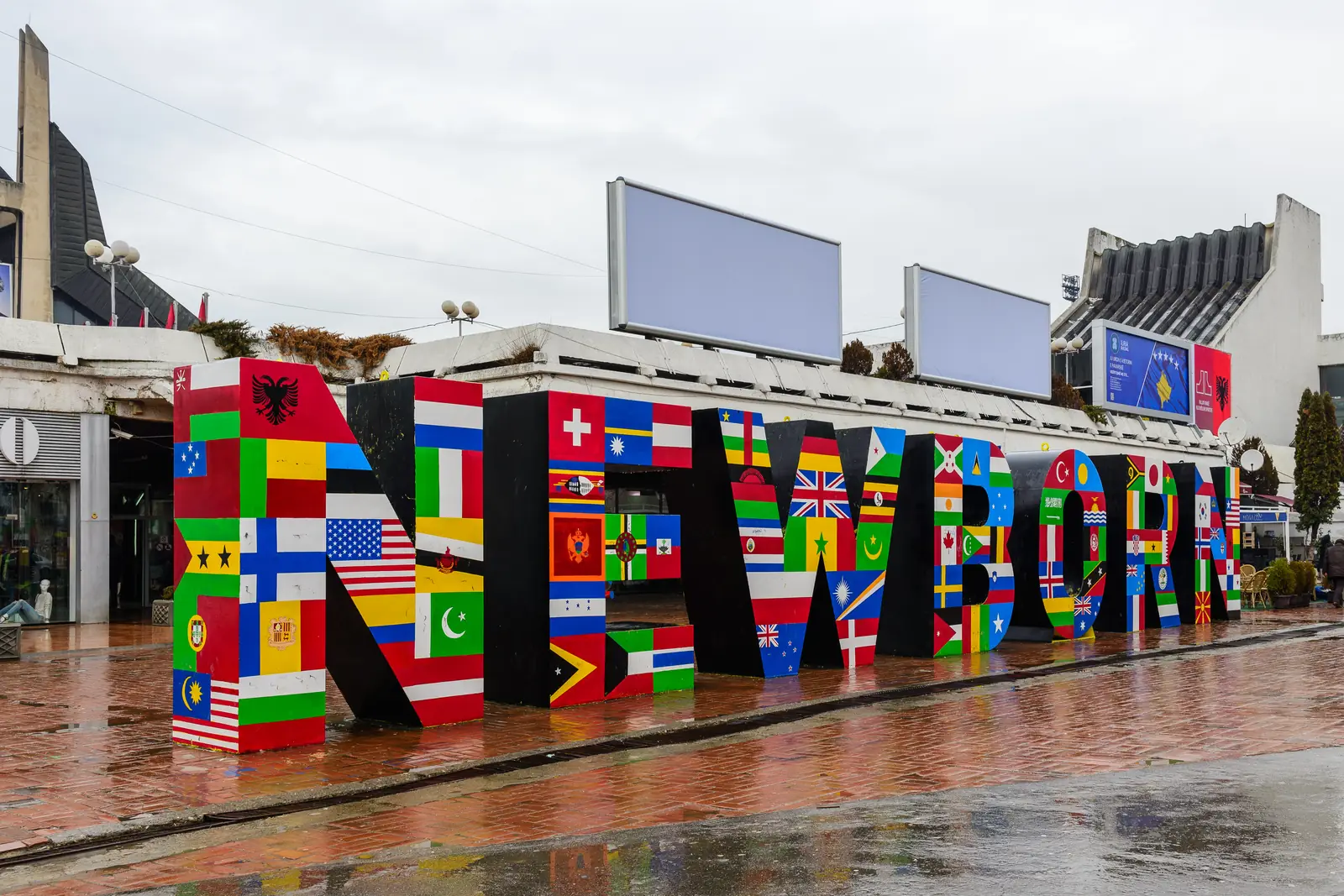
- The Newborn monument was placed on 17 February 2008, the day independence was declared. The letters get new colours every 17 February.
- The Neolithic site at Bardhosh, of the Vinča culture, on the road out of the city towards Podujeva, was found by chance in 2002.
- The ancient fortress of Keqekolla stands on a hill 864 m above sea level.
Quick facts
- Population of the municipality (2024 census): 227,466
- Population of Kosovo (2024 census): 1,585,566
- First written mention: 1342
- Capital of Kosovo since: 1947
- Area: 523.14 km²
- Settlements: 43
- Statistical region (ASK): Prishtina
- Serbian name (Law 03/L-041): Priština
Getting there
Prishtina International Airport "Adem Jashari" is about 15 km south-west of the city. The airport has public transport, taxis and car hire. Check timetables before you travel.
Official links
Health
The emergency number and official links for this place. No other phone numbers — only checked sources.
- 194 / 94 — Medical emergency · Ministria e Shëndetësisë e Republikës së Kosovës
- Ministry of Health
- SHSKUK
- QKUK
- Kosovo University Clinical Centre (QKUK) — Main tertiary service in Prishtina (SHSKUK).
Health guide (Albania and Kosovo) →
Sources
- Kosovo Agency of Statistics (ASK): Population and Housing Census 2024, first final results, Tab. 2.1 and 4.1 (PDF)
- Kosovo Agency of Statistics (ASK): census 2024 results portal
- Municipality of Prishtina: Narrativa e Prishtinës (PDF)
- Kosovo Air Navigation Services Agency: eAIP BKPR AD 2.2 and AD 2.5
- Kosovo Cultural Heritage Database: Prishtina
- Kosovo Cultural Heritage Database: Emin Gjiku complex – Ethnological Museum
- Kosovo Cultural Heritage Database: Bardhosh
- Kosovo Council for Cultural Heritage: Ancient fortress of Keqekolla
- Kosovo Agency of Statistics (ASK): Classification of statistical regions, area by municipality (PDF)
- ASKdata: settlements by municipality (geo02)
- Official Gazette: Law 03/L-041 on Administrative Municipal Boundaries, Art. 5 (Albanian and Serbian texts)
- Official municipal website